Primary
Harmony with Nature
A Year of Learning with Empathy – for Ourselves, Each Other, and the Earth
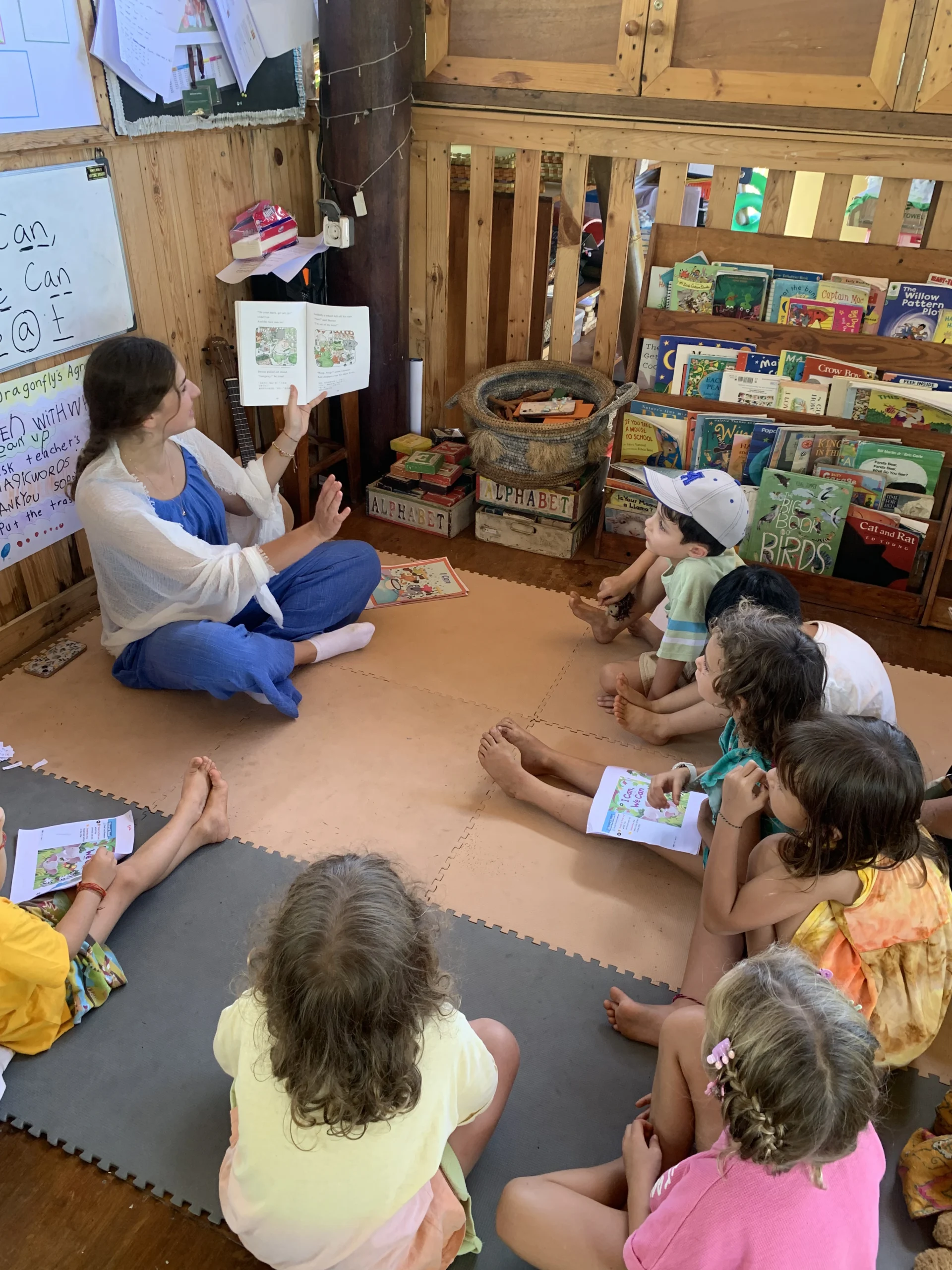
At Empathy School, learning is more than academics—it’s a journey of becoming. We believe that true education begins when a child feels safe, connected, and curious.
The Empathy Way
“How can we live, learn, and grow in a way that respects life in all its forms?”
Our philosophy is rooted in empathy:
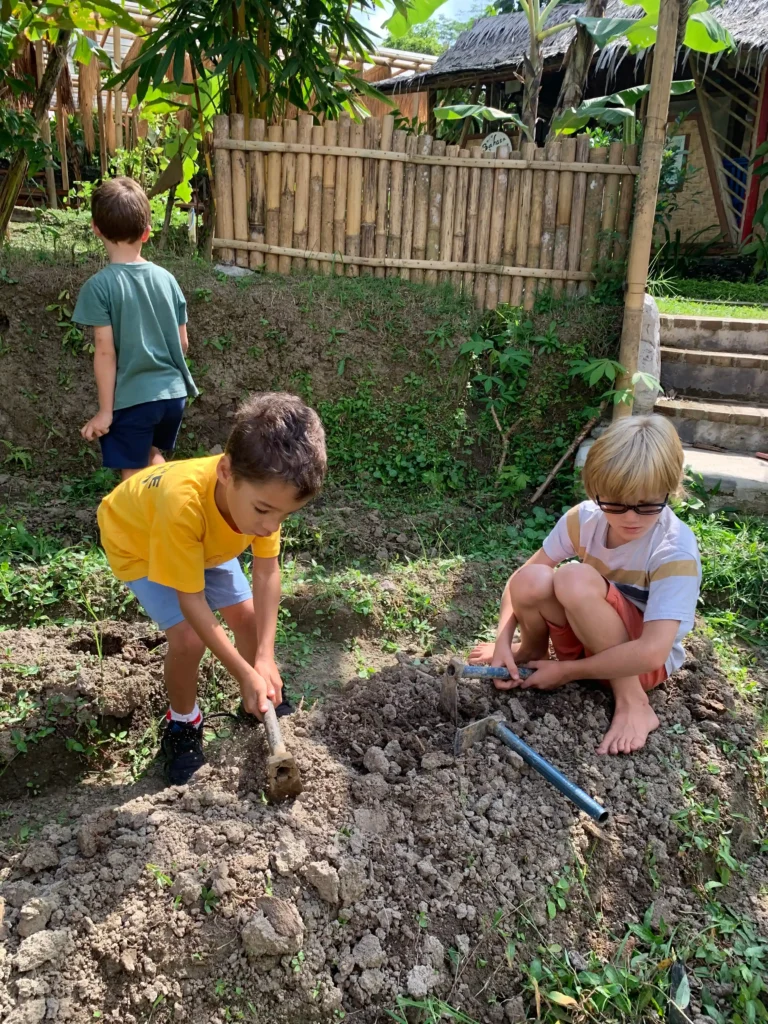
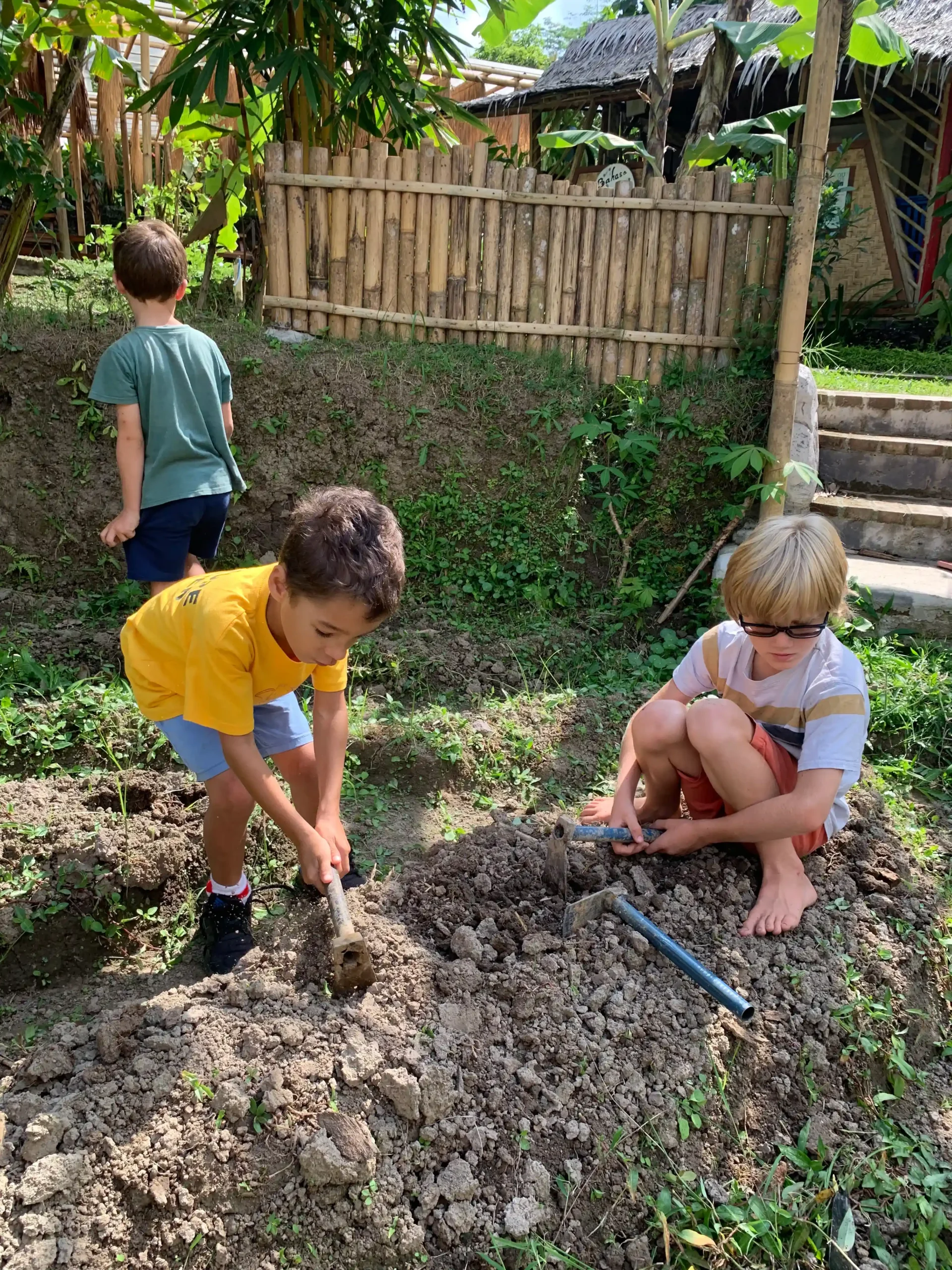
This year, through the theme “Harmony with Nature,” we invited students to explore what it means to live wisely and kindly—through books and through mud, through writing and through walking barefoot on the land.
A Balanced Journey
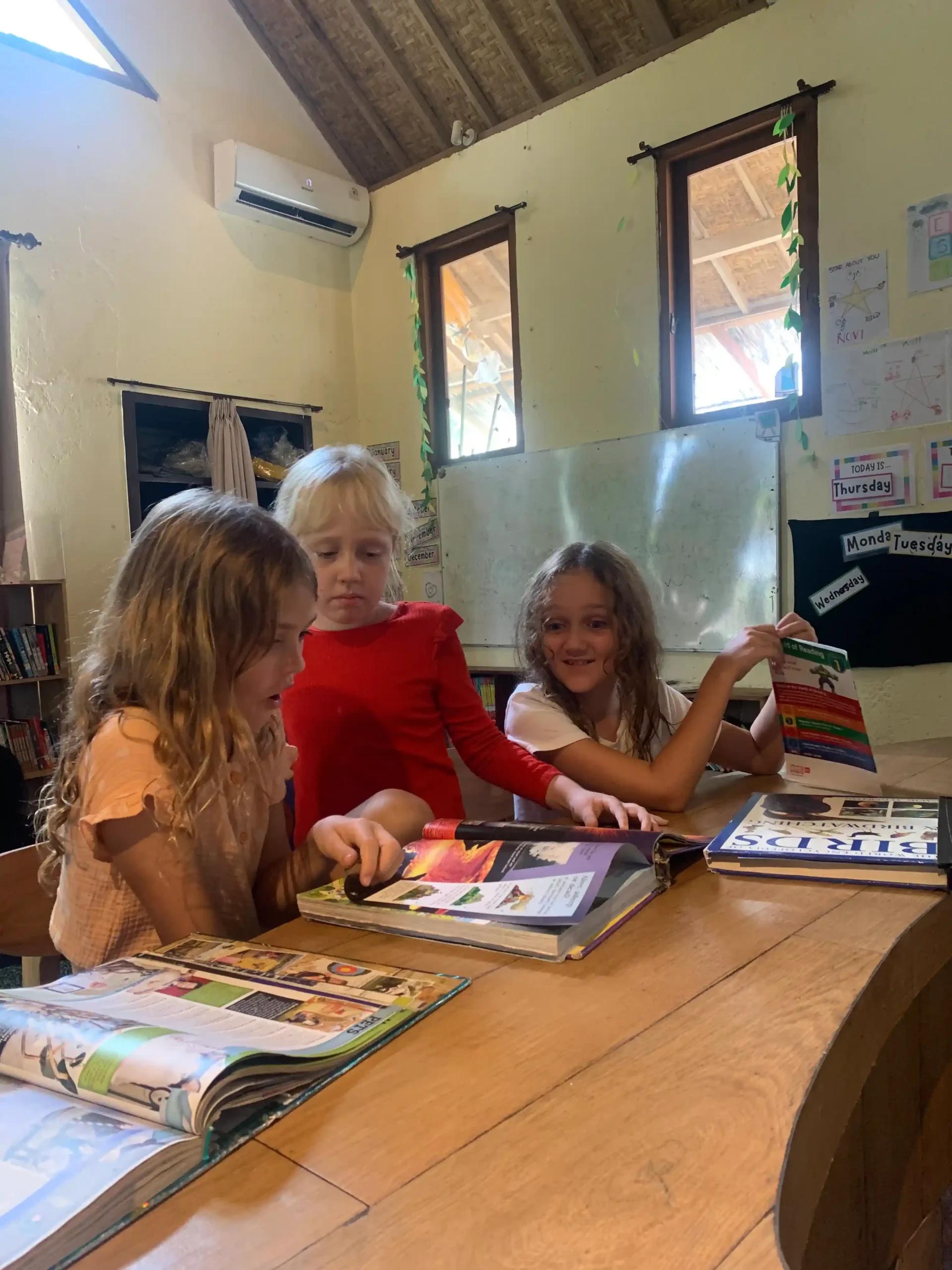
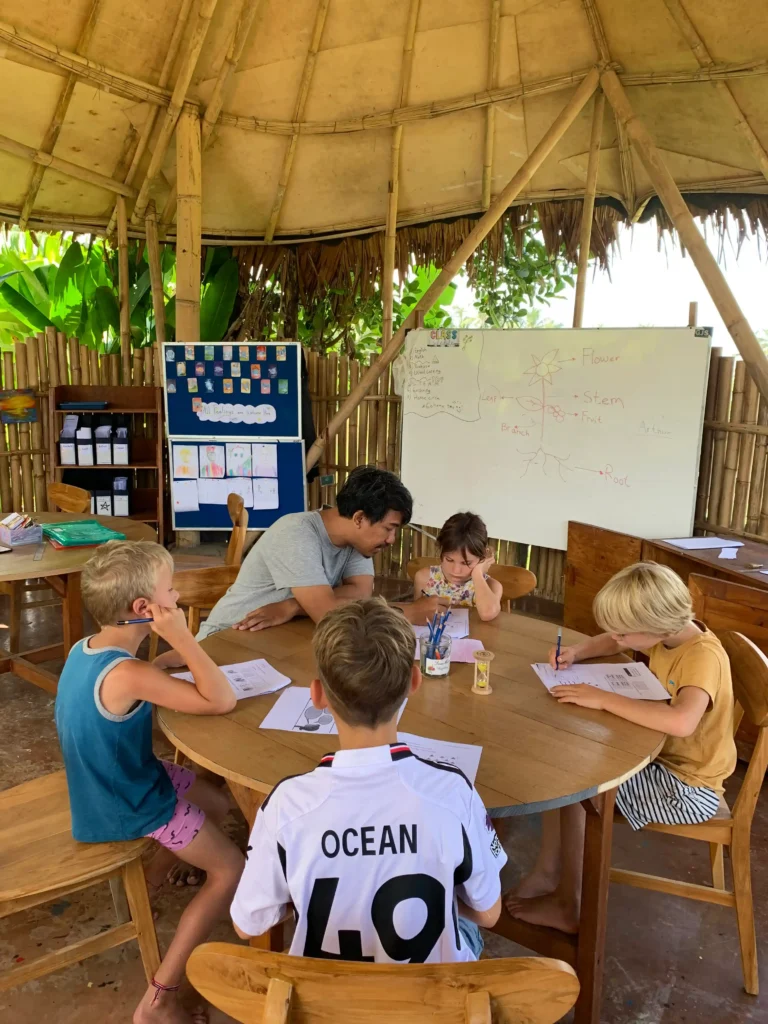
Our students learned from two classrooms: the pages of their books, and the roots beneath their feet. They read, wrote, measured, and researched—but juga planted, observed, harvested, and reflected.
Projects included:
- Measuring food waste and creating compost systems
- Reading stories of environmental heroes
- Writing reflections on what “living lightly” means
- Creating natural art and building with recycled materials
- Practicing mindfulness in the garden
- Calculating water usage in rice farming
- Debating solutions to real-world ecological problems
Academic Meets Emotional Growth
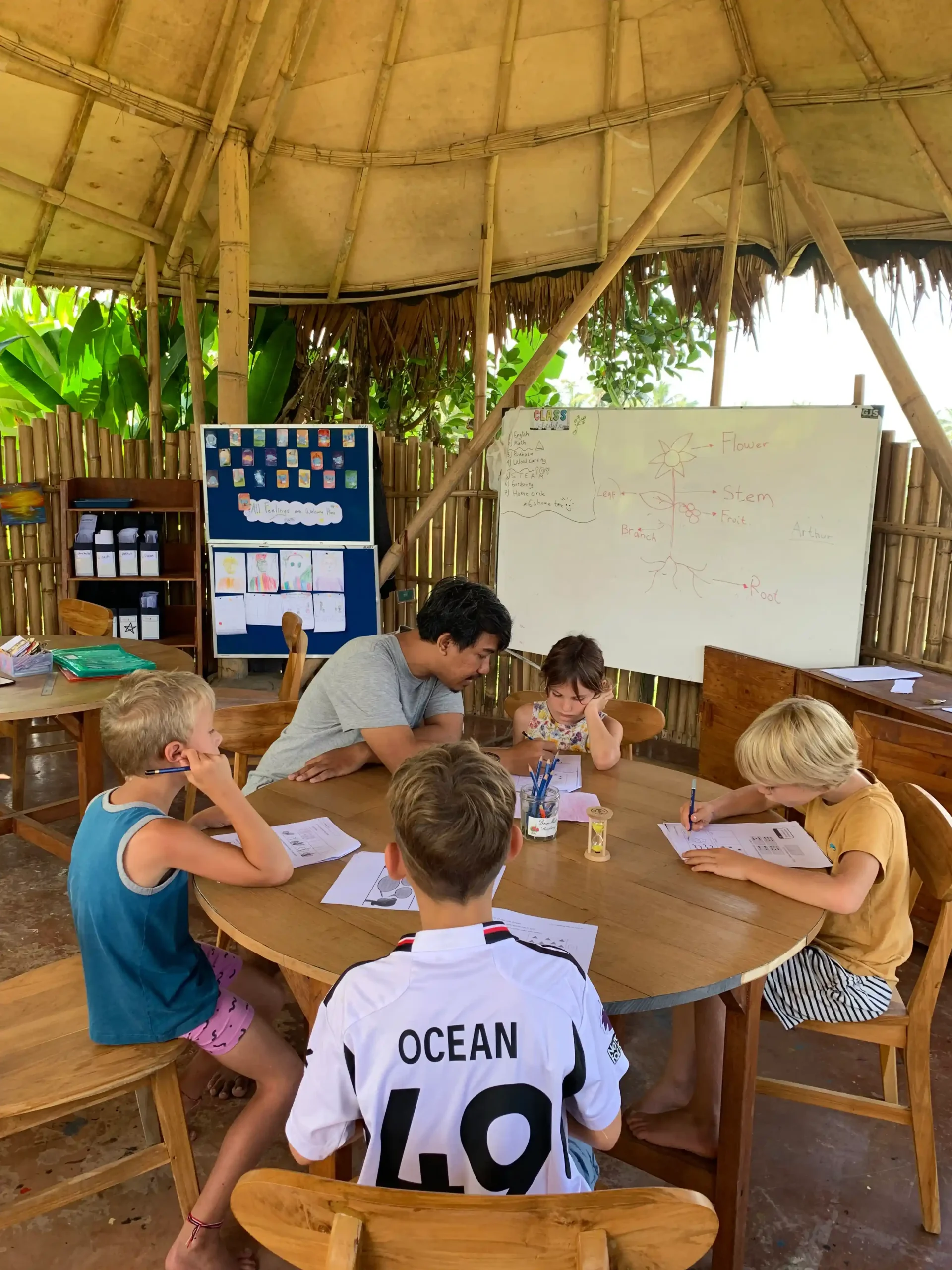
Our Learning Environment
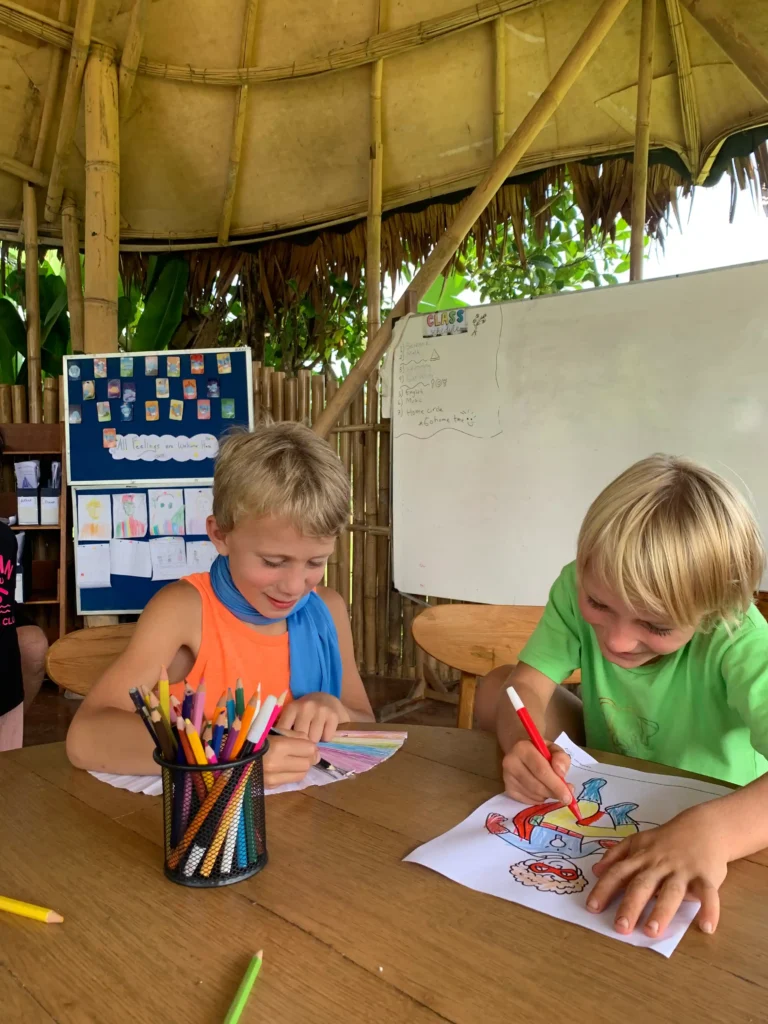
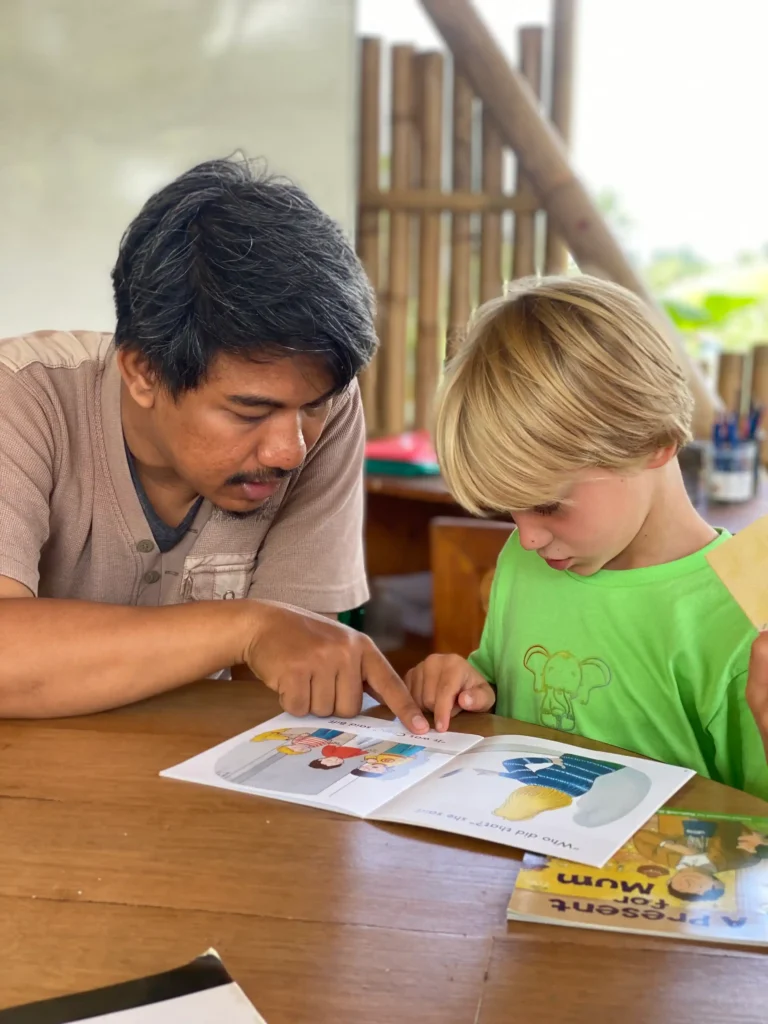
Our spaces spark awe and foster empathy. Classrooms are nature-inspired and adaptable—bathed in sunlight and earthy hues. We use gardens, paddy fields, and forest borders as everyday places to learn. Students are empowered to choose their workspace, fostering self-reliance and ownership of their education.
This theme reminded us that empathy isn’t a lesson—it’s a way of seeing the world. Whether through a math challenge or a compost bin, students kept returning to a central question: “Is this kind? Is this wise?” And that question guided not just what they learned, but who they became.
Growing Year by Year: A Progression of Learning
Our Primary School shares a common theme each year: Harmony with Nature.
Grades 1 & 2: Observing & Identifying
Kids use their senses to spot patterns in nature and show empathy through stories and games. They learn by watching, feeling, and using their imagination.
Grades 3 & 4: Systems & Connections
Pupils begin to ask “why” and “how” as they study ecosystems, energy flows, and what communities need. They use reading and math skills in real-world projects that involve planning, measuring, and working together.
Grades 5 & 6: Leadership & Integration
Students take on leadership roles. They come up with fixes, write to convince others, and team up with kids from different grades. Their learning shows they’re taking charge, from arguing about climate rules to running composting programs.
Curriculum Connections
Empathy School follows its own integrated curriculum — the EQ Smart Curriculum — developed by our founder during his time at Harvard University to blend academic rigor with emotional intelligence and ecological awareness.
This curriculum draws from:
Global Standards
We strive to ensure that all of our academics meet and exceed international benchmarks, including Cambridge, England’s National Curriculum and the Australian Curriculum.World Purpose
The United Nations Sustainable Development Goals (SDGs) to bring real-world purpose and global citizenship into everyday learning.Emotional Research
Deep emotional and relational learning practices, aligned with the latest research in child development and neuroscience.Core Links in Our Learning
Responsible Consumption and Production
What it means:
Ensure sustainable consumption patterns — reducing waste, using resources wisely, and building systems that support long-term well-being.
How it connects to learning:
- Students track and reduce school waste
- Learning composting and recycling practices
- Projects around reusing materials and mindful consumption
- Discussions on ethical and eco-friendly choices
Climate Action
What it means:
Take urgent action to combat climate change and its impacts through education, innovation, and community strategies.
How it connects to learning:
- Climate science explored through geography
- Calculating carbon footprints and water usage
- Tree planting and rice field weather tracking
- Reflecting on how small choices affect global climate
Life on Land
What it means:
Protect, restore, and promote sustainable use of land ecosystems — including forests, soil, biodiversity, and natural habitats.
How it connects to learning:
- Students observe biodiversity around the school
- They tend to garden and farm areas with care
- They study soil health, pollination, and ecosystems
- Lessons focus on our responsibility as stewards of the land
A Glimpse of Our Curriculum Map
Theme: Harmony with Nature
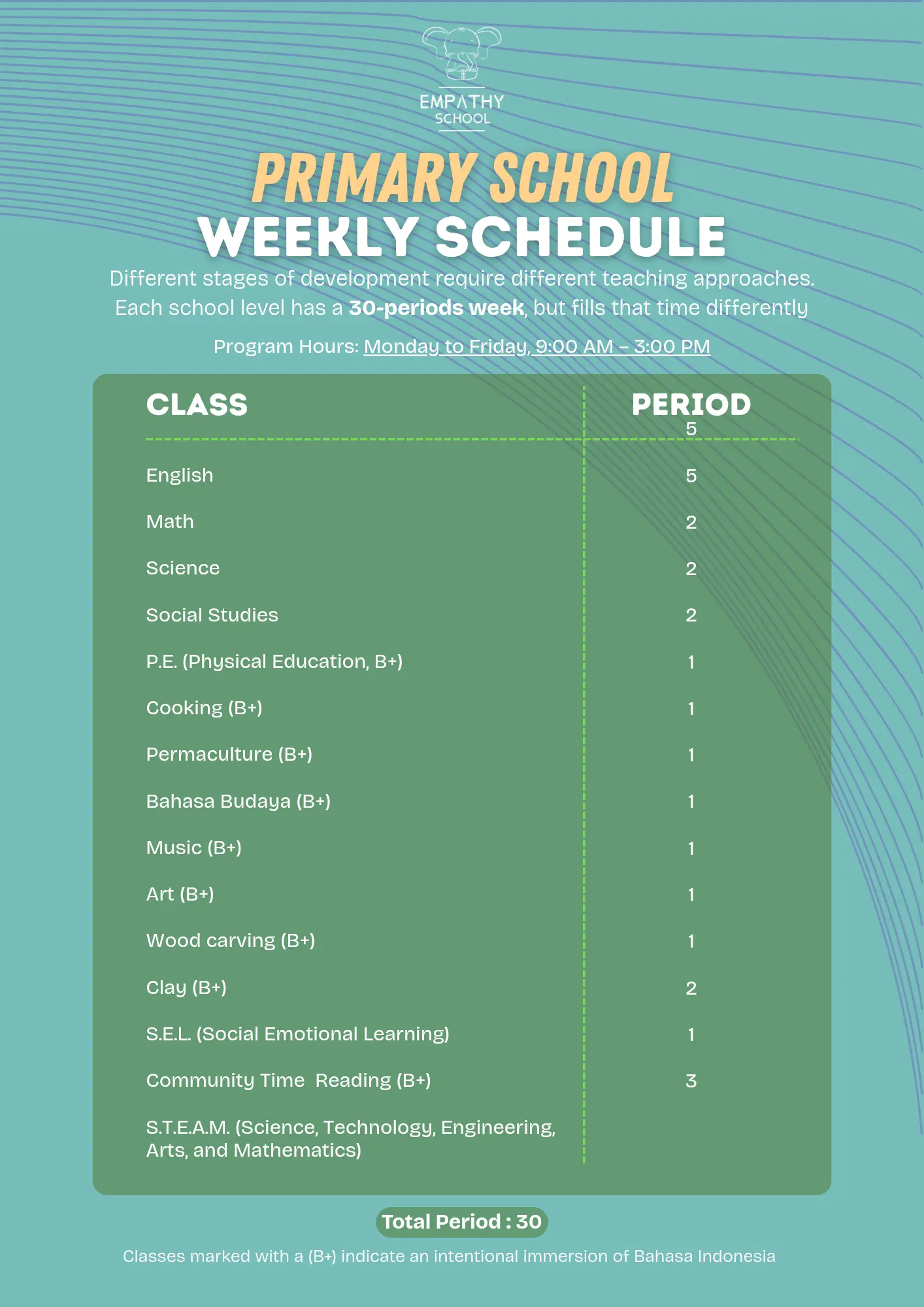
| Subject Area | Example Connection to Theme |
|---|---|
| English / Language Arts | Writing persuasive letters to reduce plastic use |
| Mathematics | Graphing food waste and analysing water consumption |
| Science | Studying ecosystems, plant cycles, and climate trends |
| Social Studies | Exploring cultural practices of sustainability |
| Arts | Creating natural dyes, upcycled sculptures, eco-theatre |
| SEL | Practicing mindfulness in nature, journaling reflections |
How We Assess Growth
Assessment honors the whole child through:
- Portfolios & project documentation
- Teacher observations of curiosity & resilience
- Student reflections to build voice
Helping students understand not just what they know, but who they are becoming.
“…genuinely effective schools—those that prepare students not only to pass tests at school but also to pass the tests of life—are finding that social-emotional competence and academic achievement are interwoven and that integrated, coordinated instruction in both areas maximizes students’ potential to succeed in school and throughout their lives."
--Zins, Joseph E. and Maurice J. Elias.
Practical next steps
Planning with Purpose
Weekly flows that bring the theme to life:
- Morning mindfulness check-ins
- Integrated thematic lessons
- Nature-based exploration
- Reflection and journal time